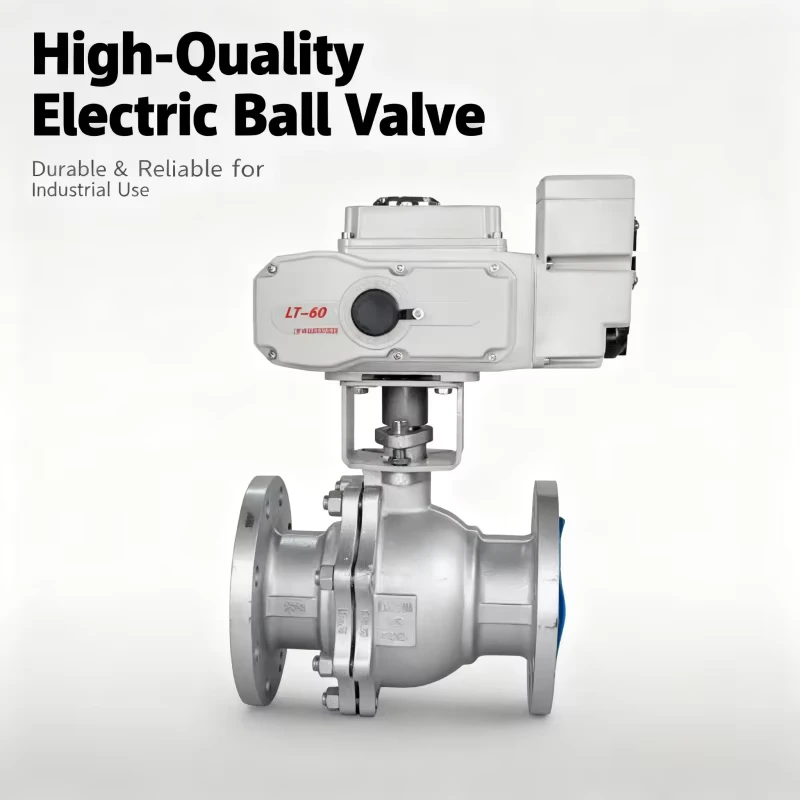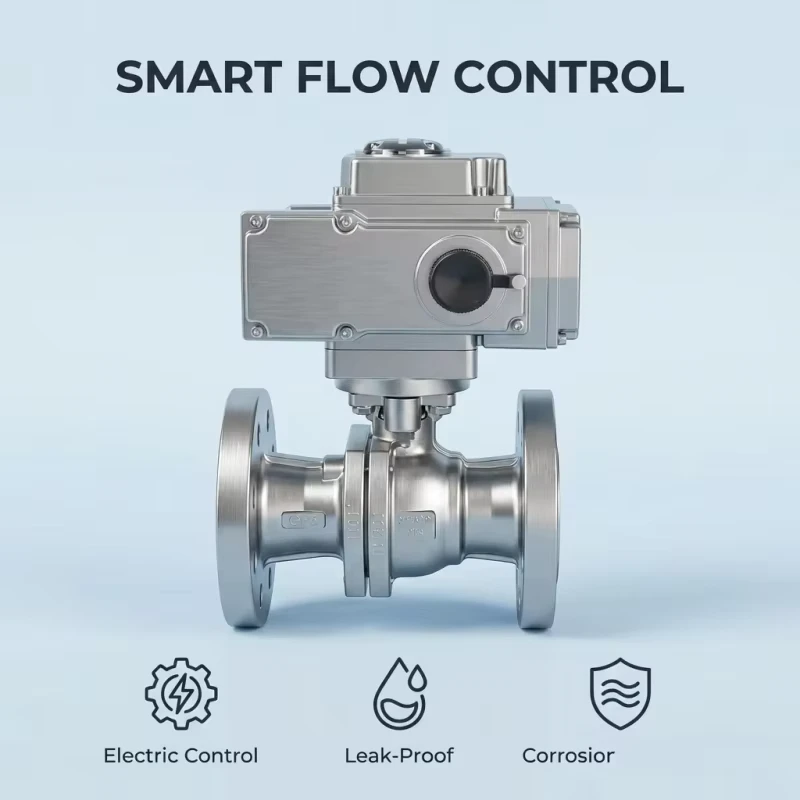

Compare motorized and manual ball valves by size, voltage, body material, connection, pressure, and fail-safe needs for smarter sourcing.
Choosing a ball valve for an OEM product, distribution range, or fluid-control project involves more than matching the pipe diameter. Buyers must also consider actuator voltage, manual access, body material, pressure, media, and the required response during a power interruption. A well-defined specification reduces modification costs and simplifies repeat purchasing.
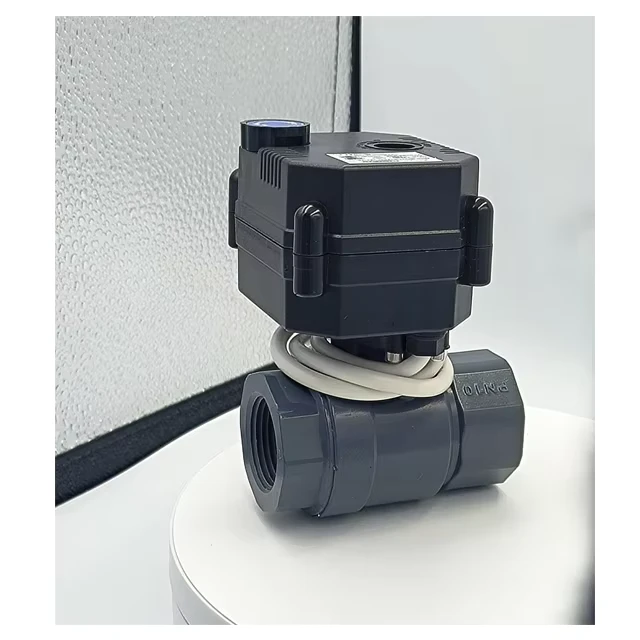
Motorized Options for Flexible System Design
The DN20 motorized valve combines electric operation with a manual override, position indication, and an auto-return option. Its available 5V, 12V, 24V, 110V, 120V, and 220V configurations support different control architectures. Brass, stainless steel, and UPVC body choices also help buyers adapt the valve to water systems and varied installation environments.
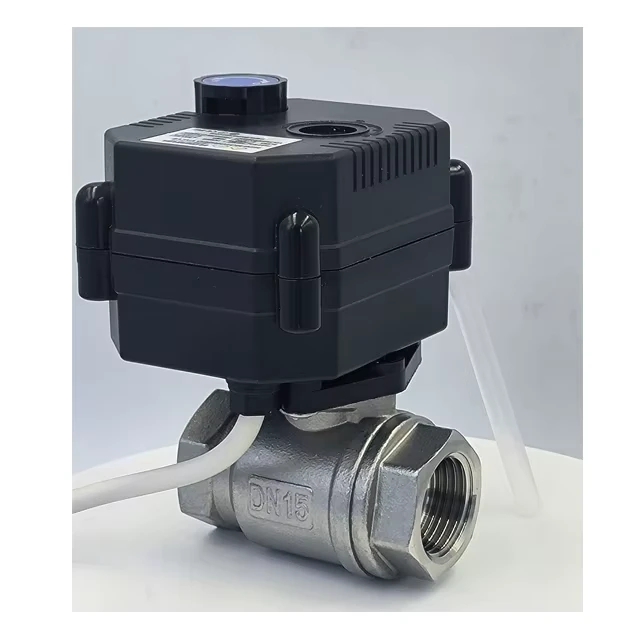
For projects requiring a two-way valve in sizes from 1/4 inch to 1 inch, the electric two-way valve offers 12V, 24V, and 220V options with manual override capability. Both motorized ranges are specified for pressures up to 1.0 MPa and temperatures up to 100°C, with NPT or BSP connections and PTFE sealing.
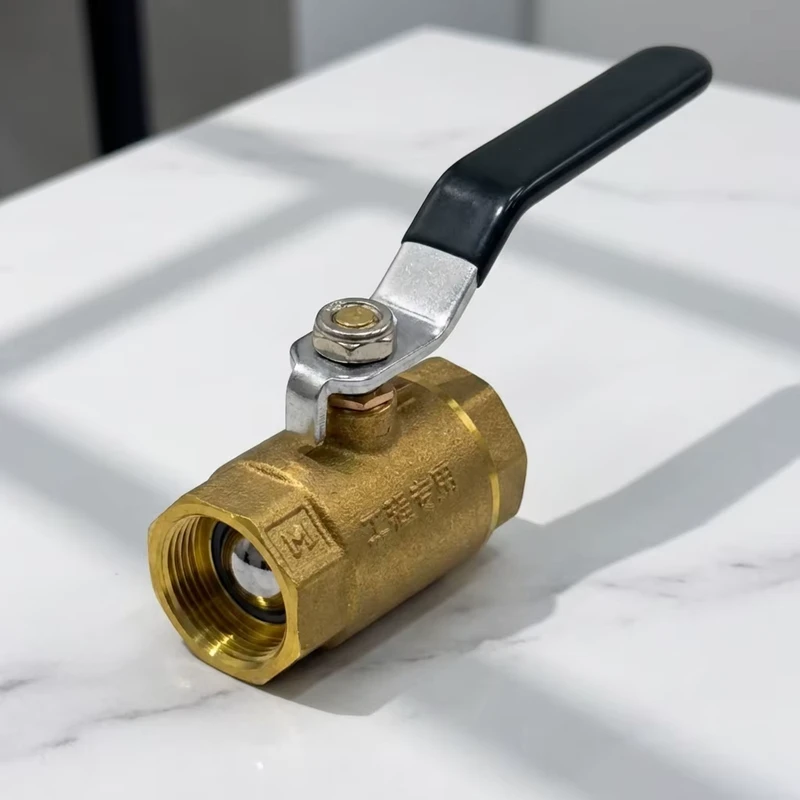
When Manual Control Is the Better Fit
Automation is not always necessary. The manual stainless valve provides a straightforward DN20, 3/4-inch NPT solution for water, oil, and gas at normal operating temperatures. Its PN16 specification, stainless steel construction, OEM support, and stated three-year warranty make it relevant for standard product lines and maintenance inventories.
Before ordering, confirm media compatibility, thread standard, voltage, wiring logic, fail-position requirements, and installation space. Explore our broader ball valve range, or send your technical and packaging requirements for a tailored quotation covering OEM, ODM, wholesale, or project procurement.