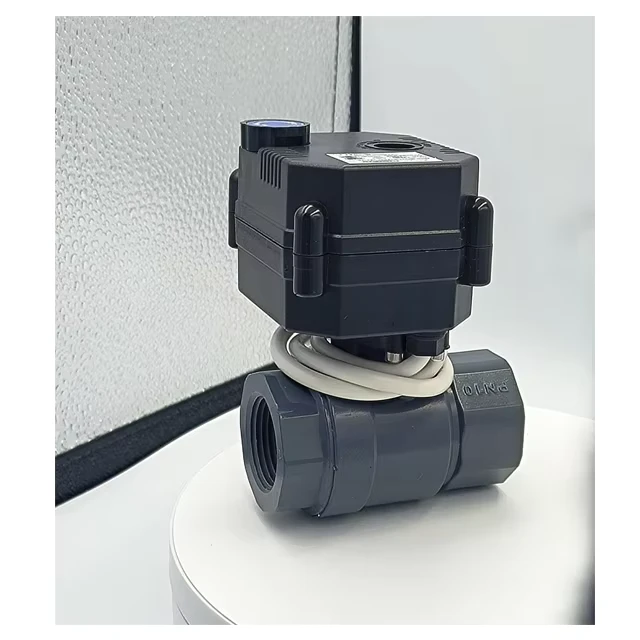

Compare stainless steel electric, PVC irrigation, and thin-pattern pneumatic ball valves for smarter project sourcing and OEM supply decisions.
Valve sourcing becomes easier when material, actuation, sealing, and connection requirements are evaluated together. A valve intended for irrigation does not face the same operating conditions as one installed in an oil line. Importers and project buyers should therefore begin with the medium, pressure, temperature, installation space, and control method.
Different Materials for Different Duties
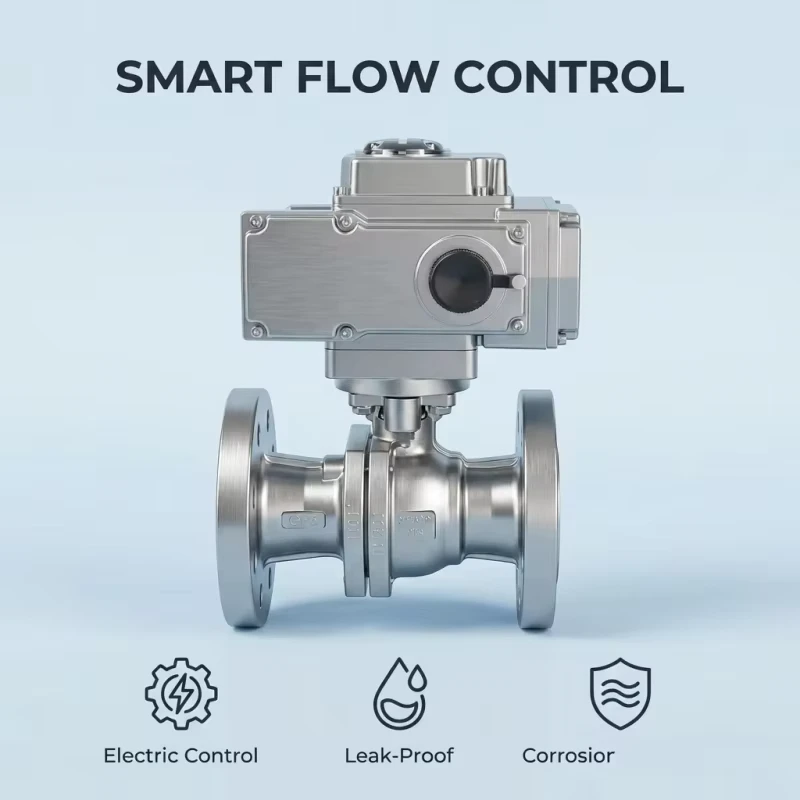
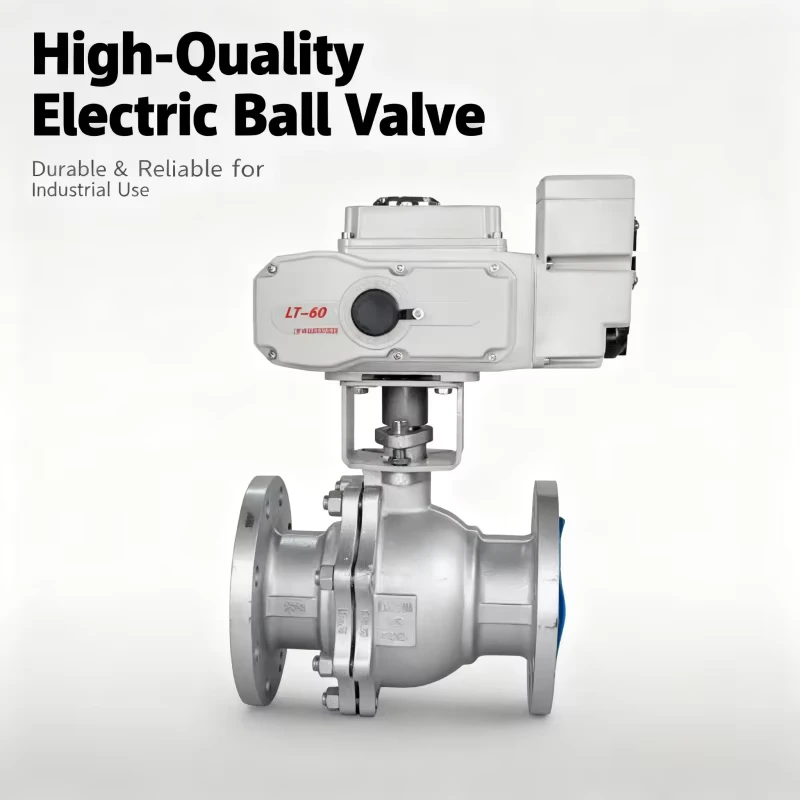
For automated oil applications, the electric oil valve combines a stainless steel 304 body, flanged connection, and electric actuation. Available connection sizes cover DN25 to DN80. Explosion-proof and high-temperature requirements should be matched with the project’s certification, ambient conditions, fluid properties, and specified EPDM seal limits before ordering.
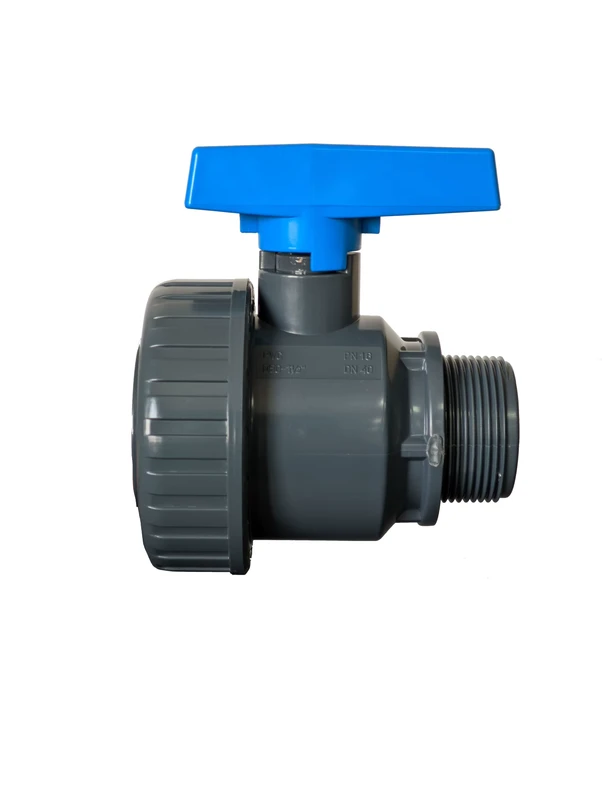
Water distribution and agricultural systems often prioritize low weight, corrosion resistance, and straightforward operation. The PVC irrigation valve offers manual two-way control, EPDM sealing, NPT threads, and sizes from 1/2 inch to 4 inches. It is a practical choice for wholesalers building a broad water-control range.

Compact Options for Industrial Lines
Where installation space and automation readiness matter, the thin-pattern stainless valve provides 304 or 316 stainless steel construction, a high mounting platform, pneumatic operation, and PTFE sealing. Its stated range includes DN15 to DN200, PN16 pressure, and operating temperatures from 0 to 100°C, making specification review important for each medium and connection arrangement.
OEM and ODM buyers can compare these solutions within the wider ball valve range. Share your drawings, quantities, operating conditions, packaging needs, and documentation requirements to receive a focused quotation for distribution or project procurement.